Specialized Dementia Care in a Residential Care Facility That Feels Like Home
Compassionate, Structured Memory Care Designed for Safety, Comfort, and Daily Engagement
Caring for a loved one with dementia can feel overwhelming. Many families struggle to find support they can trust. Safety matters, but so do dignity, comfort, and daily connection.
If you are searching for a residential care facility for the elderly in Lancaster, CA, understanding how dementia care works can help you feel more confident. This guide explains what specialized dementia care looks like and how the right environment helps residents live meaningful lives.
Finding the Right Dementia Care Can Feel Overwhelming for Families
Families often notice changes slowly. Memory loss may begin with small moments of confusion. Over time, daily tasks become harder to manage. Safety concerns increase, and stress builds at home.
Choosing dementia care is not just a medical decision. It is an emotional one. Families want reassurance that their loved one will be treated with patience, respect, and understanding. The right residential care setting can provide both safety and peace of mind.
What Makes Dementia Care Different From General Senior Care
Dementia affects more than memory. It also impacts communication, behavior, and decision-making. Because of this, care must be more structured than traditional senior care.
Predictable routines help residents feel calm and secure. Familiar faces and consistent schedules reduce anxiety. Caregivers use specialized communication techniques to prevent frustration and confusion.
A residential care facility offering dementia care services is designed around these needs. Every part of the environment supports safety, comfort, and emotional well-being.
How Our Residential Care Facility Supports Residents With Dementia
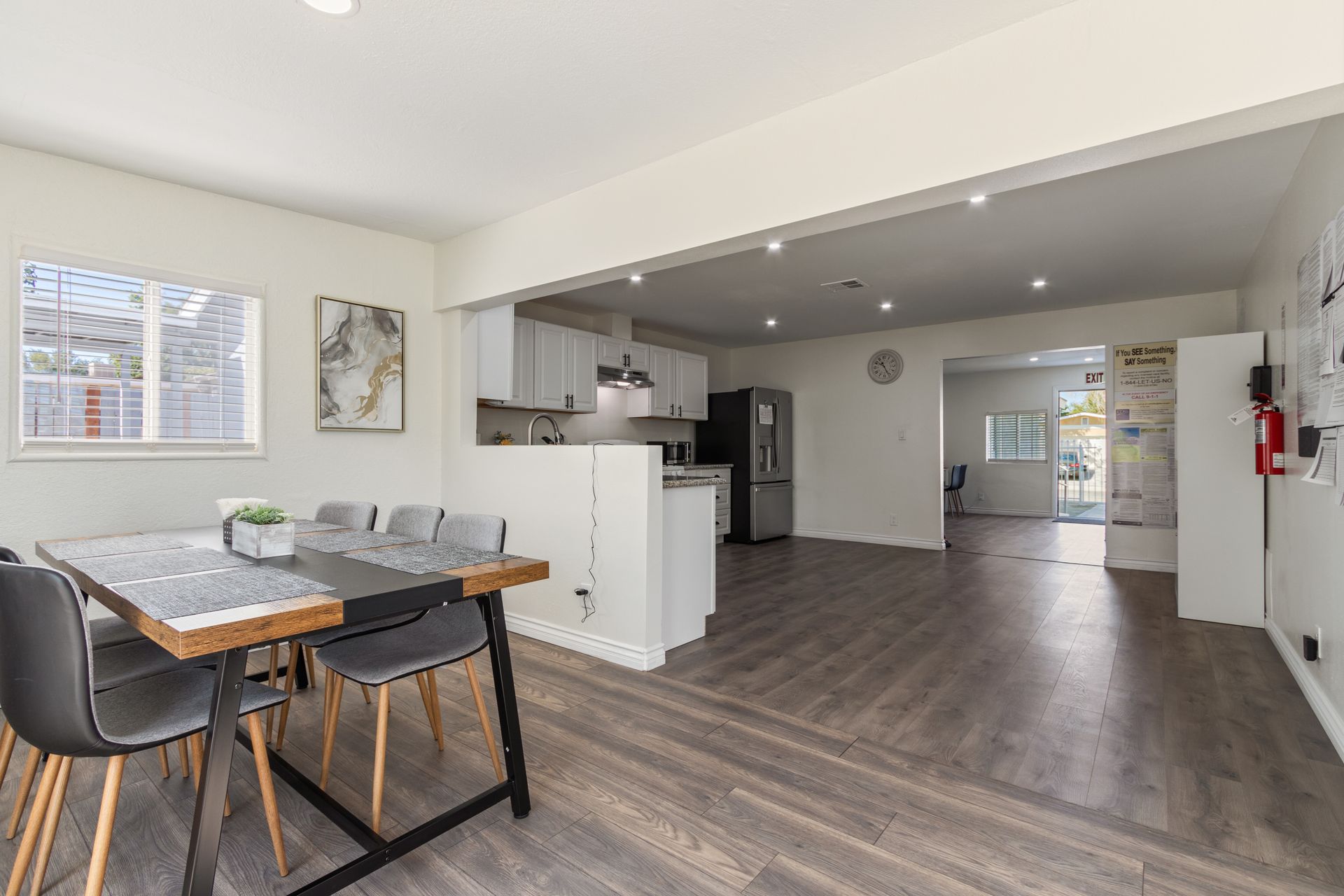
Our approach to dementia care combines structure, training, and compassion. Each resident receives personalized support in a calm, home-like environment where they feel safe and valued.
Structured Daily Routines That Reduce Confusion
Routine plays a critical role in dementia care. When each day follows a familiar pattern, residents feel more grounded and less anxious. Regular wake-up times, meals, activities, and rest periods create stability and emotional comfort.
Specially Trained Dementia Caregivers
Dementia care requires more than basic caregiving skills. Our caregivers receive ongoing training focused on memory loss, behavior changes, and communication strategies. They learn how to redirect gently, reassure calmly, and respond with patience.
This training allows caregivers to support residents with empathy while maintaining consistency throughout the day.
A Secure and Supportive Environment
Safety is essential for individuals with memory loss. Our residential care facility is designed to reduce risks without feeling restrictive. Secure entry points, clear walking paths, and supervised common areas help prevent wandering and falls.
At the same time, the environment feels familiar and welcoming. Residents can move comfortably throughout the home while remaining protected.
Why Families Choose a Residential Care Facility for Dementia Care
Many families explore several care options before making a decision. A residential care facility offers a level of personal attention that larger settings often cannot provide.
With fewer residents, caregivers can focus on individual needs. Relationships grow stronger, routines stay consistent, and care feels more personal. Families looking into residential care homes for elderly loved ones often value this smaller, family-style setting.
Some families consider in-home care or assisted living at first. These options may work short term, but dementia often requires more structure. Residential care homes, also known as RCFEs or residential aged care, provide higher daily supervision in a smaller environment. These residential care homes for elderly adults focus on safety, routine, and personal attention, which is especially important as memory loss progresses.
Safety Without Sacrificing Quality of Life
Dementia care should never feel clinical or cold. While safety measures are always in place, quality of life remains a top priority.
Residents are encouraged to take part in daily activities and social interaction. Independence is respected whenever possible. Support is offered gently, without rushing or pressure.
Daily Life Inside Our Dementia Care Program
Life inside our dementia care program feels calm and familiar. Each day is designed to provide structure, comfort, and meaningful engagement.
Engaging Activities That Support Memory
Activities are selected based on residents’ abilities and interests. Music, gentle movement, conversation, and simple daily tasks help stimulate memory and emotional well-being. These moments bring joy and a sense of purpose.
Nutritious Meals and Mealtime Support
Meals are an important part of daily routine. Familiar foods and consistent mealtimes help residents feel comfortable and secure. Caregivers provide assistance when needed and encourage independence in a relaxed setting.
Dementia Care vs Other Senior Living Options
Families often ask how dementia care compares to other senior living options. Each type of care supports a different level of need.
| Care Type | Level of Supervision | Best For |
|---|---|---|
| In-home care | Limited | Early memory loss |
| Assisted living | Moderate | Mild cognitive decline |
| Residential aged care | High | Dementia and memory care |
For individuals with advancing dementia, residential care homes offer the highest level of daily support in a secure environment.
When Is It Time to Consider Dementia Care?
Many families wait until care feels overwhelming before seeking help. Recognizing the signs earlier can lead to a smoother transition.
Increased confusion, safety risks at home, wandering, agitation, or caregiver burnout are common indicators. Early placement helps residents adjust more comfortably and benefit from consistent routines.
How Our Approach Builds Trust With Families
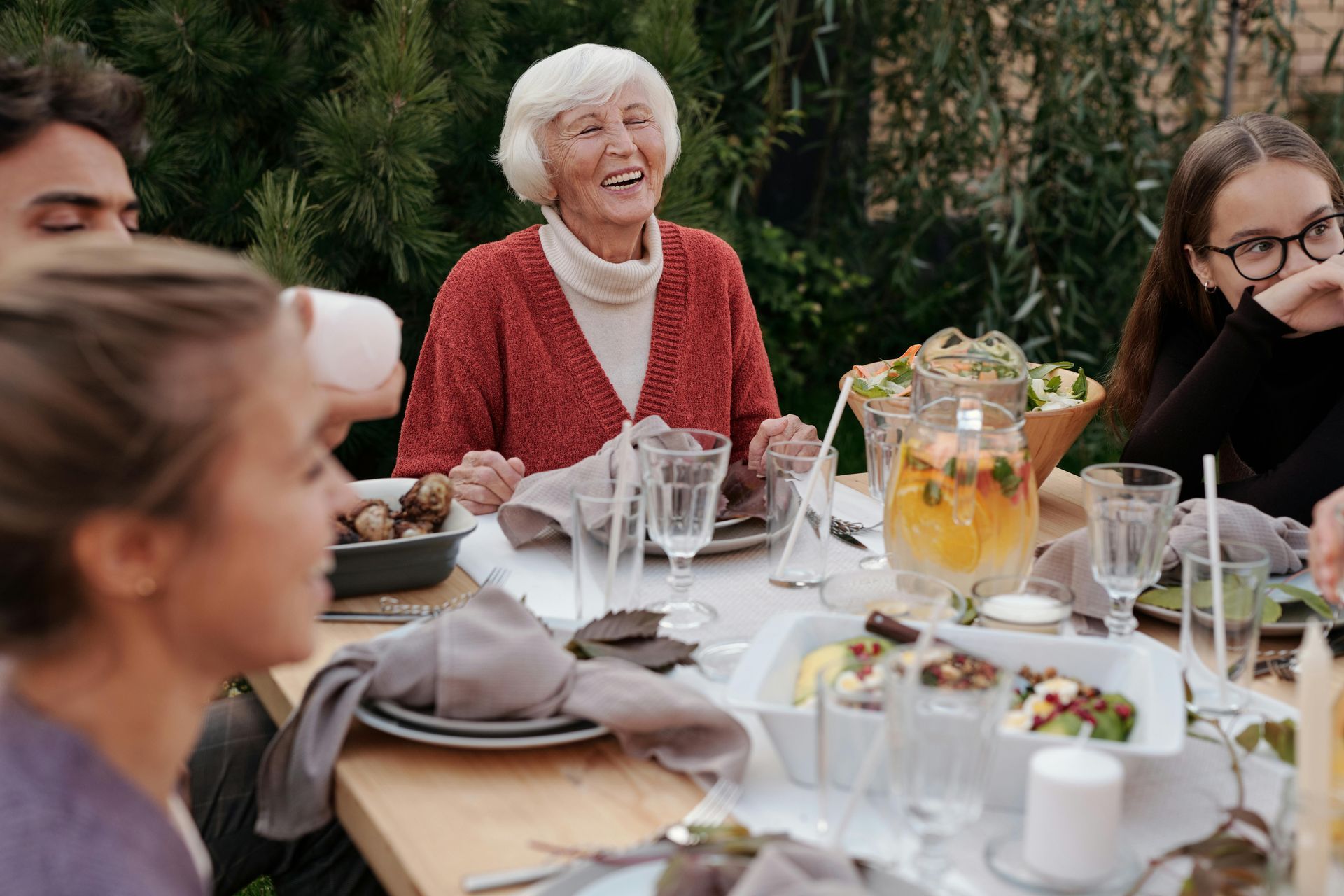
Trust is essential when choosing dementia care. Families want to feel informed and involved throughout the care journey.
Our team maintains open communication and provides regular updates. Families are encouraged to ask questions and stay connected. This partnership creates a supportive experience for everyone involved.
Serving Families Looking for Dementia Care in Lancaster, CA
We proudly serve families throughout Lancaster and nearby communities. Our residential care home is rooted in the local area and committed to compassionate care.
Families searching for a residential care facility offering dementia care services can expect experienced caregivers, personalized support, and a warm environment where residents feel at home.
Take the Next Step Toward Compassionate Dementia Care
Choosing dementia care is a deeply personal decision. You deserve guidance from a team that understands how emotional this process can be.
If you are exploring a residential care facility for the elderly in Lancaster, CA, we invite you to learn more about the dementia care program at A Helping Hand Home Care. Our care coordinators are available to answer your questions and help you take the next step with confidence.
Schedule a tour or
speak with our team today. Let us help your loved one feel safe, supported, and truly at home.
Frequently Asked Questions
What is dementia care in a residential care facility?
Dementia care provides structured support, safety, and specialized caregiving for individuals with memory loss.
How is dementia care different from assisted living?
Dementia care includes higher supervision, specialized training, and secure environments designed for memory challenges.
Is a residential care facility safe for memory loss patients?
Yes. Residential care facilities are designed to reduce wandering risks and help prevent falls.
What training do dementia caregivers receive?
Caregivers receive ongoing training in dementia communication and behavior management.
How do I know if my loved one needs dementia care?
Increased confusion, safety concerns, and caregiver stress are common indicators.
Can families visit residents regularly?
Yes. Family involvement is welcomed and encouraged.
Recent Posts